SoN 2.41: AI finds the flaws. Who fixes them?


VOL 2, ISSUE 41 · NOVEMBER 2026

Part of my daily routine has changed in the last week, in that I'm talking more with Claude in voice mode on my school runs in the mornings. It beats the repetition of listening to the radio station, and it gives me more space to ramble and go down the odd rabbit hole as I question the morning headlines and look for topics of interest. When I get on to something I like and want to follow up on, I ask Claude to make sure that it's saved as a Google Doc that I can look at when I'm back at my desk. To me it's a different way of working that doesn't really feel like work, and I'm all for that.

That rambling is also what's led me to a four-part series titled "AI Finds the Flaws. Who Fixes Them?", where I look at the speed of vulnerability discovery, disclosure, and what we can be preparing for as it accelerates.

Also this week, new interactive tools to help you with breaking down large problems into workable tasks, a worksheet generator to make your AI work more portable, and more.

Security and Risk

Whether we call it a hack or not

Early in October, Anthropic reported that Claude read Georgia's vote-count totals from a public dashboard, without being asked to. Secretary of State Brad Raffensperger says accessing public information is not a hack. I did some digging, which starts with part 1 of a four-part series: “AI Finds the Flaws. Who Fixes Them?”

Read part 1 →

Guides

Build Your Own AI-Researched Template

A hands-on guide on how to get an AI to research the law behind a document you already know, like an NDA, and turn it into a reusable template, recently updated. Follow along with this example from my own work.

Read the guide →
Jim Christian, drawn in ink

Book a discovery session

I'm working more and more with teams, and I love meeting different people with different problems. So I've started taking bookings for a 60-minute AI discovery session at jimchristian.net/discovery. It's for anybody who's just trying to start with AI, or trying to find a way into AI enablement in their organisation. It's more of a chat about what's possible: reassurance about what can be done, rather than all the hype and the FOMO. You'll walk away better informed and with a follow-up plan to speed you on your way.

Learn more and book →

Agents and Tooling

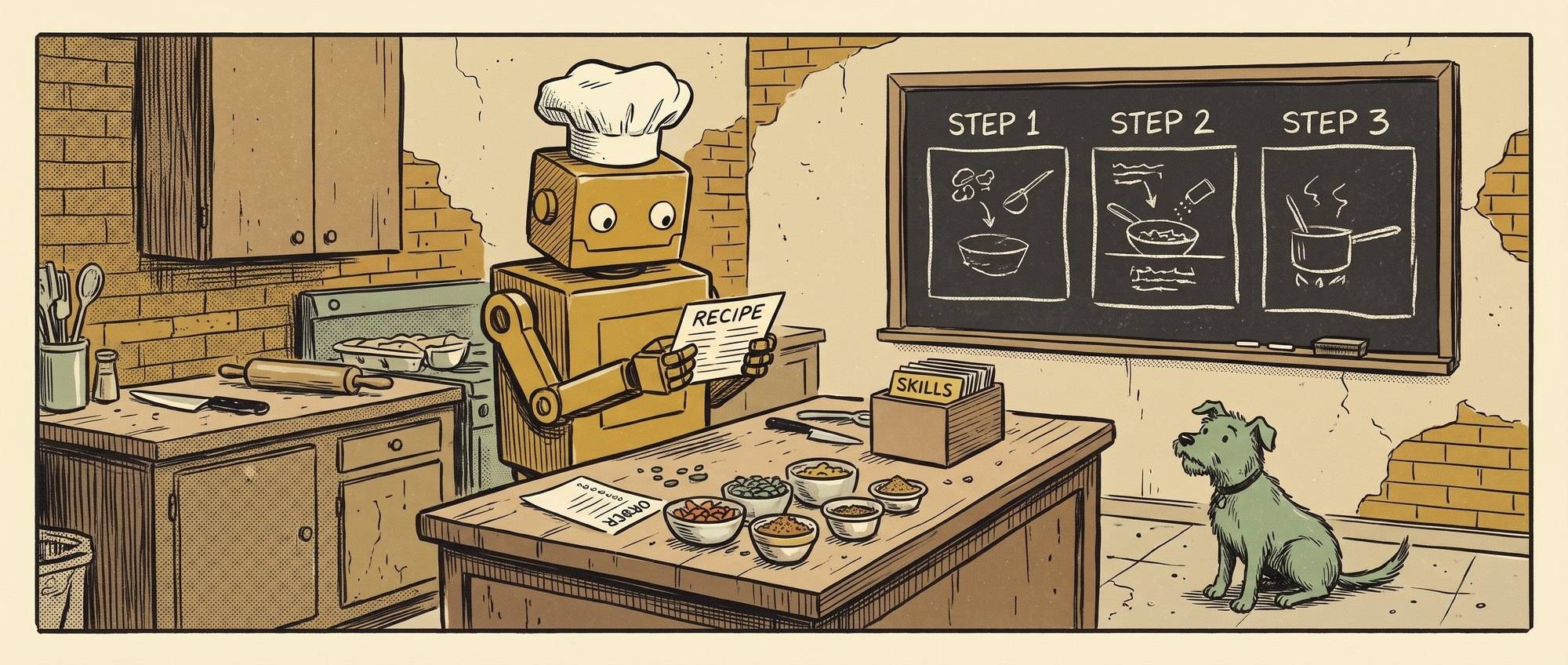
Skills, then agents, then context Interactive

AI can feel like a “great, big anything engine” and it's difficult to know where to start. Here's my advice.

Read the post →

Did you or did you not? Interactive

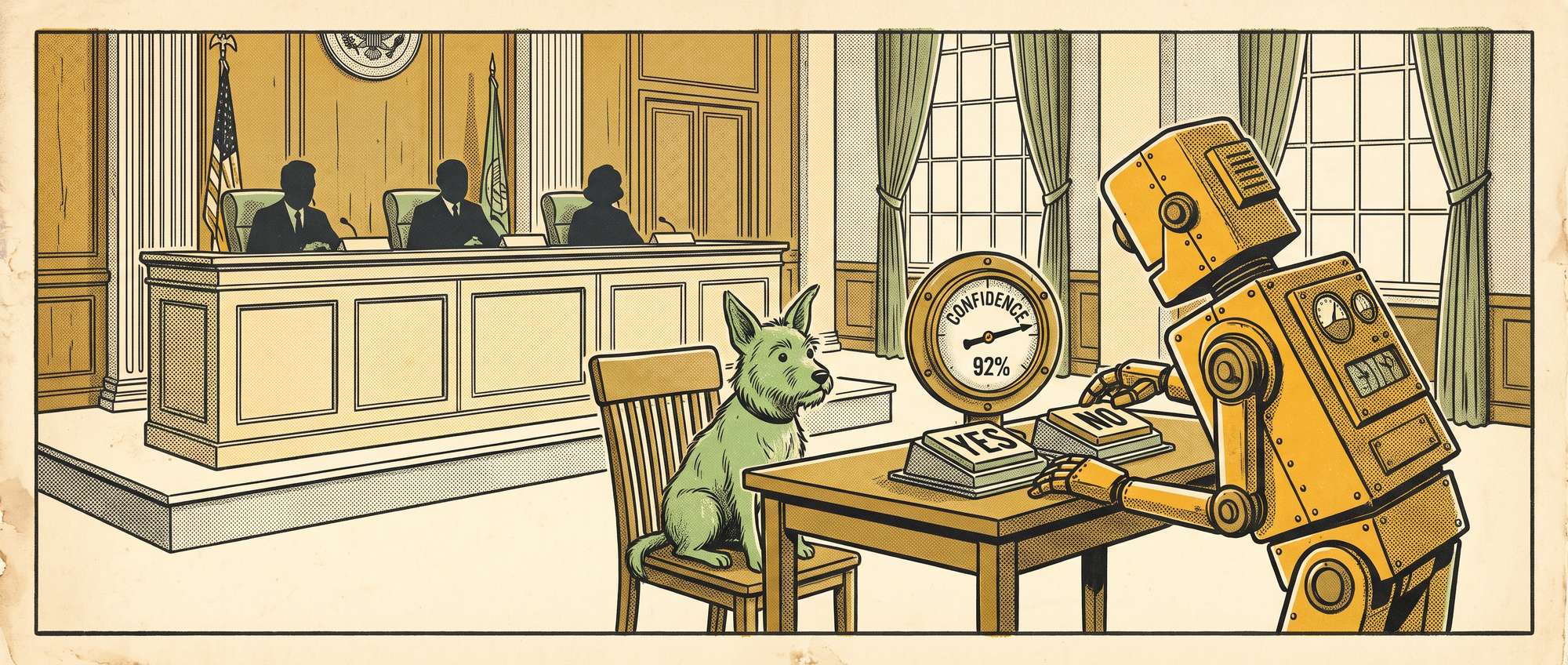
Still not sure about decision models like Jev and Clef, and what they're for? Discover more in this interactive explainer.

Read the post →

Optimising my gaming console with Claude

I plugged Claude Code into my games console and asked it to help create settings per-game to optimise my battery and graphics settings whether in handheld mode or plugged in at home.

Read the post →

Working with AI

Be loyal to your work, not your model Interactive

Replit recently switching from Anthropic to OpenAI, reportedly after being offered a 30% discount on pricing, is a great example of the ease (and importance) of trying to be model agnostic. But what does that take?

Read the post →

Train your team to use AI on its own work

I like to teach the skill sets and the systems thinking that help make this work for everybody. Sessions are built on your team's real tasks: how to describe a job to a model, check what comes back, and keep confidential information out of it. Packages start at €1,500.

See team training →

Reader challenge: do you know what a Noul is?

A

A Noul is the empty result an AI model returns when it has no answer, so it says nothing instead of guessing.


B

A Noul is a yes-or-no question for a decision model. Instead of writing an answer, it returns one number: the chance that the answer is yes, from 0 to 1.

See the answer in the glossary →

That's it for this week. If your team is working out what to do with AI, hit reply and tell me where you're stuck.

Jim

Jim Christian - Signal Over Noise

What I care about is helping people bring technology into their lives well — where it's genuinely needed, and where it can do the most good. Not tech for its own sake, not change to look modern. Sometimes that means AI; just as often it means something far simpler.The tech world is accelerating. This is my attempt to slow things down a little: to pick apart the hype and look for the reality and the truth in the messages — primarily around AI, and how it impacts us all.
Read more from Jim Christian - Signal Over Noise
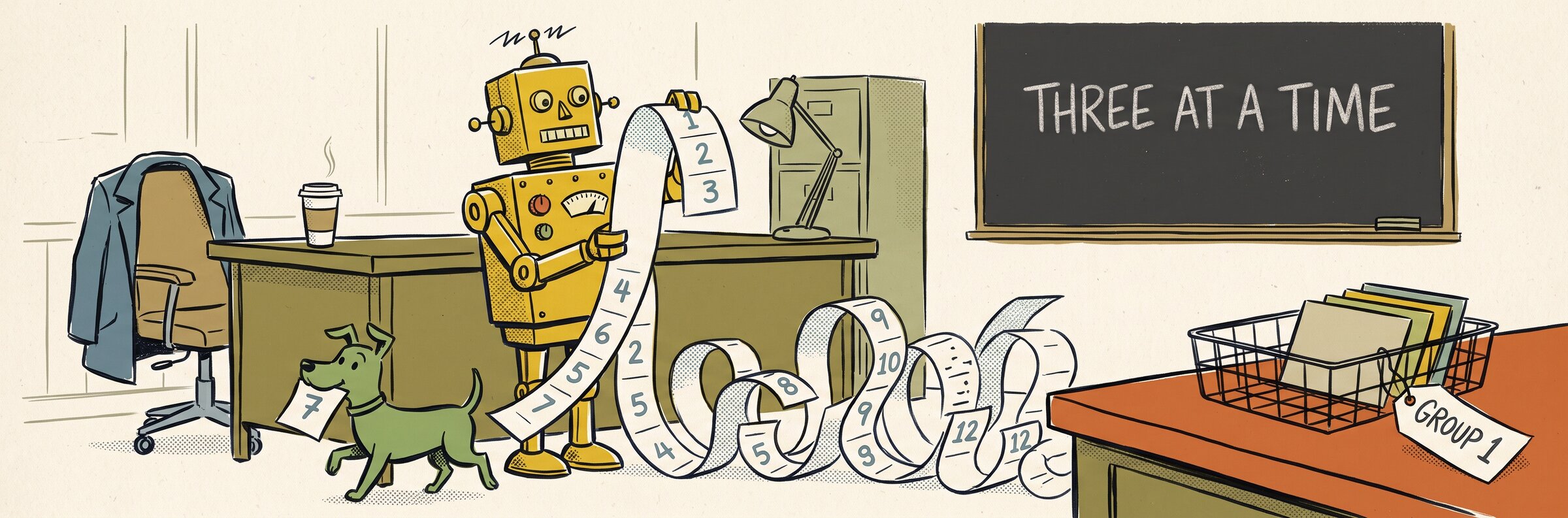
A yellow robot beside an empty desk chair holds up a long paper scroll of numbered question cards looping across the floor, while a green dog trots off with card 7; a tray tagged GROUP 1 sits under a chalkboard that reads THREE AT A TIME.

VOL 2, ISSUE 43 · NOVEMBER 2026 One of my favourite ways of working with AI is to set Claude or ChatGPT a task, or a series of them, before I go and do other jobs around the house. But often when I come back to it, it's waiting on me with a list of questions about details I don't remember discussing. I've spent the last hour on something else, and now it wants answers. I've often typed back something close to this: "These are too many questions. I'm a human. I can't deal with this much...
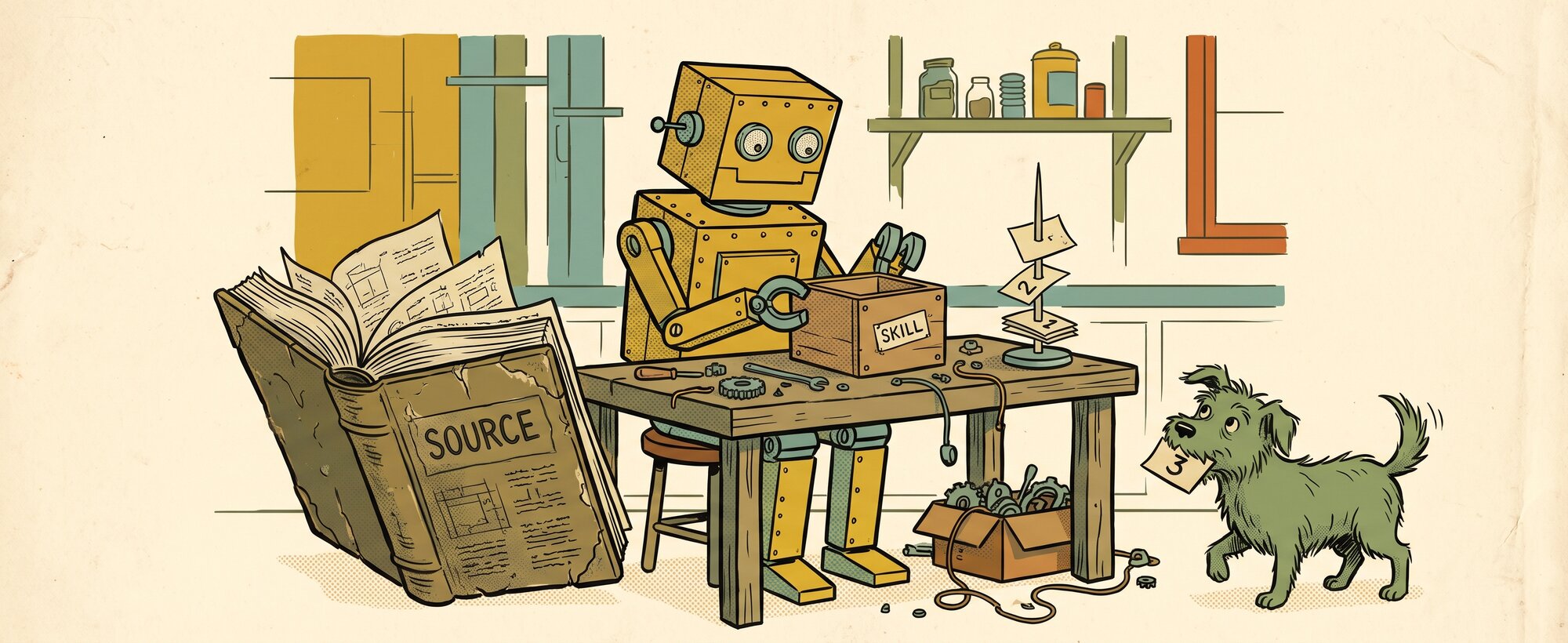
A boxy yellow robot at a wooden workbench assembles a small box labelled SKILL beside a large, worn book labelled SOURCE. Question cards numbered 1 and 2 sit on a spike on the bench, and a scruffy green dog walks up carrying card 3 in its mouth.

VOL 2, ISSUE 42 · NOVEMBER 2026 Frameworks are all around, and they've been in use for ages. Some of my favourites are the five whys, where you ask “why?” until you reach the cause of a problem, and the Eisenhower matrix, which sorts your tasks by how urgent and how important they are. There's no reason why you can't use these in your daily workflows to help you keep organised or to troubleshoot problems. If you don't know one for your job, ask your AI what established methods exist for it,...
A boxy yellow robot at a drafting table sketches a plan and points to small helpers at a supermarket checkout.

VOL 2, ISSUE 40 · OCTOBER 2026 In the last week I've been doing more hands-on training with teams of software engineers and marketers alike. No matter what your career or your skill level with AI, a lot of the core principles are the same, and many of them come back to breaking a job down before you hand it to AI. In this week's issue: use the biggest model to plan the job and smaller ones to do the work; a guide to how language models predict the next word, using a birthday song and a...