SoN 2.40: Plan big, but 'do' small


VOL 2, ISSUE 40 · OCTOBER 2026

In the last week I've been doing more hands-on training with teams of software engineers and marketers alike. No matter what your career or your skill level with AI, a lot of the core principles are the same, and many of them come back to breaking a job down before you hand it to AI.

In this week's issue: use the biggest model to plan the job and smaller ones to do the work; a guide to how language models predict the next word, using a birthday song and a shopping list; and part 2 of the school build log, which takes eight messy sources and works out what each one holds.

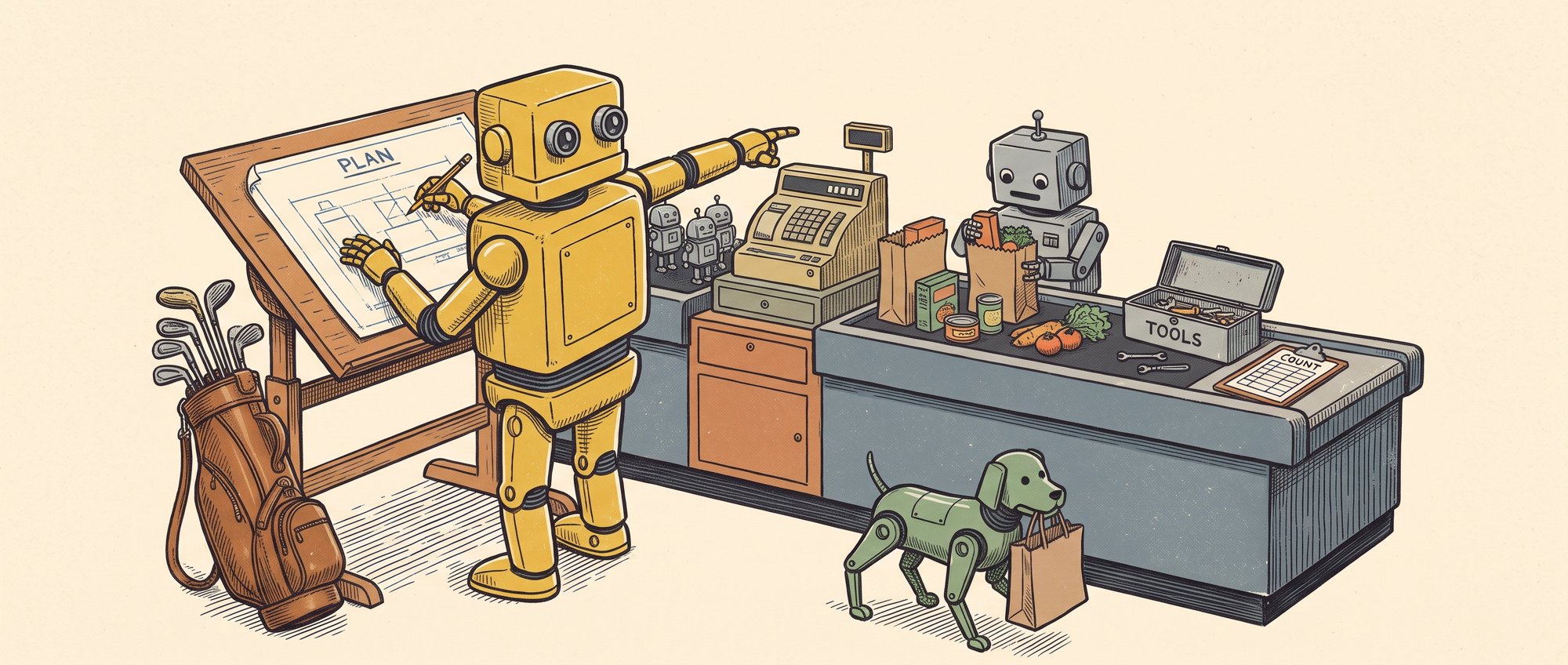
Plan big, do small

Use the biggest model you have to plan the job and find the tool that already does it, and let something smaller do the 'donkey work': the heavy, laborious tasks nobody wants to do. It's a very meta idea: use the models to plan how to use the models.

Continue reading →

This week's guide: how LLMs predict the next word

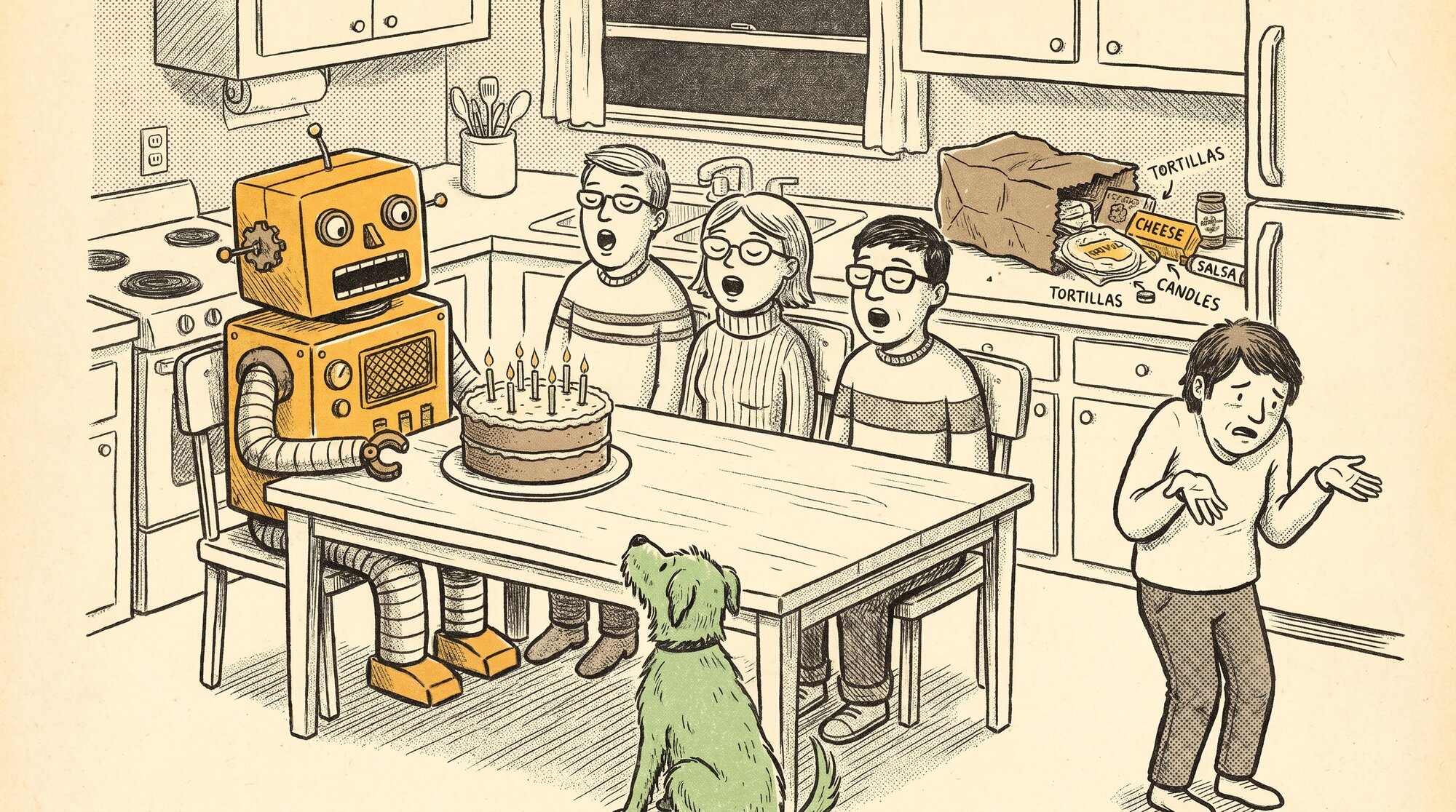
Generic copy, made-up sources and different answers to the same question all come from how a language model predicts the next word. Happy Birthday, Dear… explains it with a birthday song and a shopping list, and has six interactive examples to try.

Read the guide →

Book a discovery session

I'm working more and more with teams, and I love meeting different people with different problems. So I've started taking bookings for a 60-minute AI discovery session at jimchristian.net/discovery. It's for anybody who's just trying to start with AI, or trying to find a way into AI enablement in their organisation. It's more of a chat about what's possible: reassurance about what can be done, rather than all the hype and the FOMO. You'll walk away better informed and with a follow-up plan to speed you on your way.

Learn more and book →

Building a family knowledge base, part 2

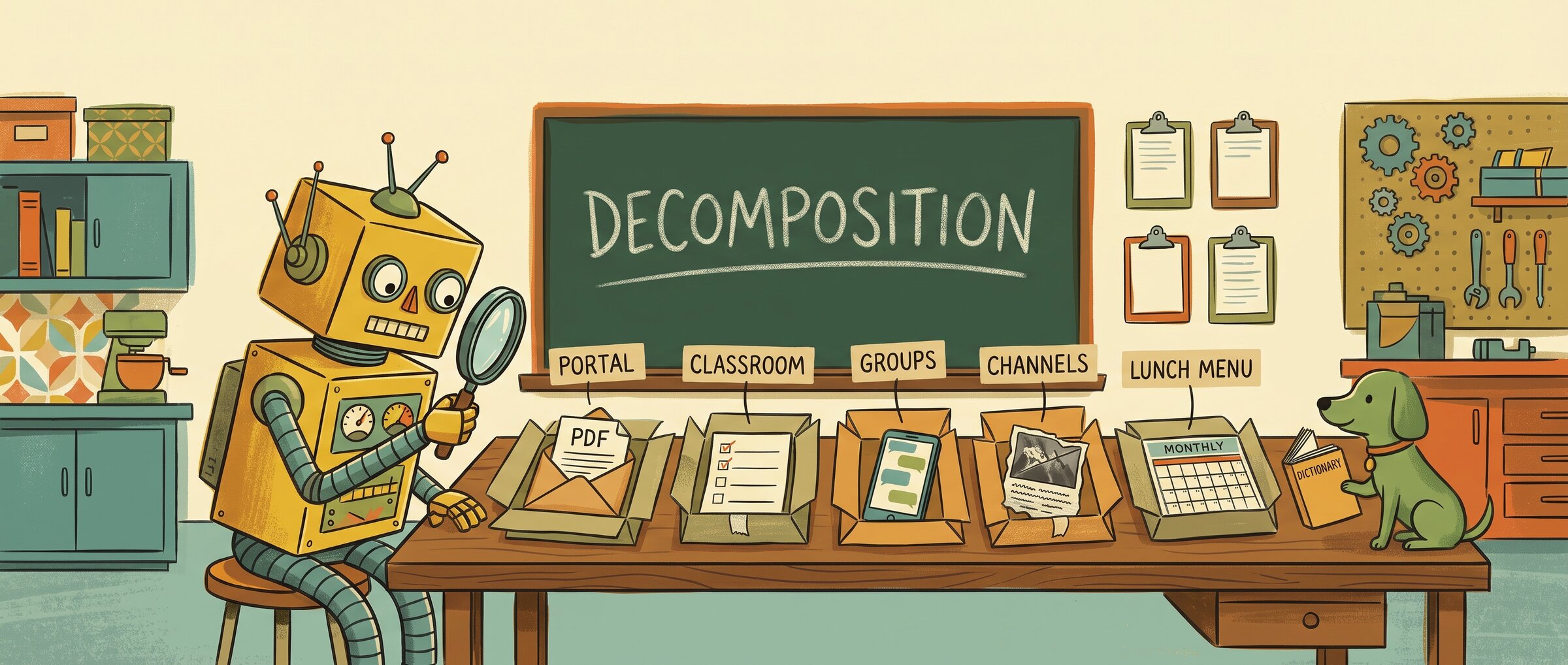
This is part two, and it's systems thinking, which I've discussed before in The Infinite Sandwich and the Made Bed. This is decomposition: the breaking things down part. So it's time to look at all the outputs coming my way. For each one: what information is available, what format it is in, and the blockers and pain points that come with it. Then what the ideal solution looks like.

Continue reading →
 

Also this week

Ask your AI to save its work as files

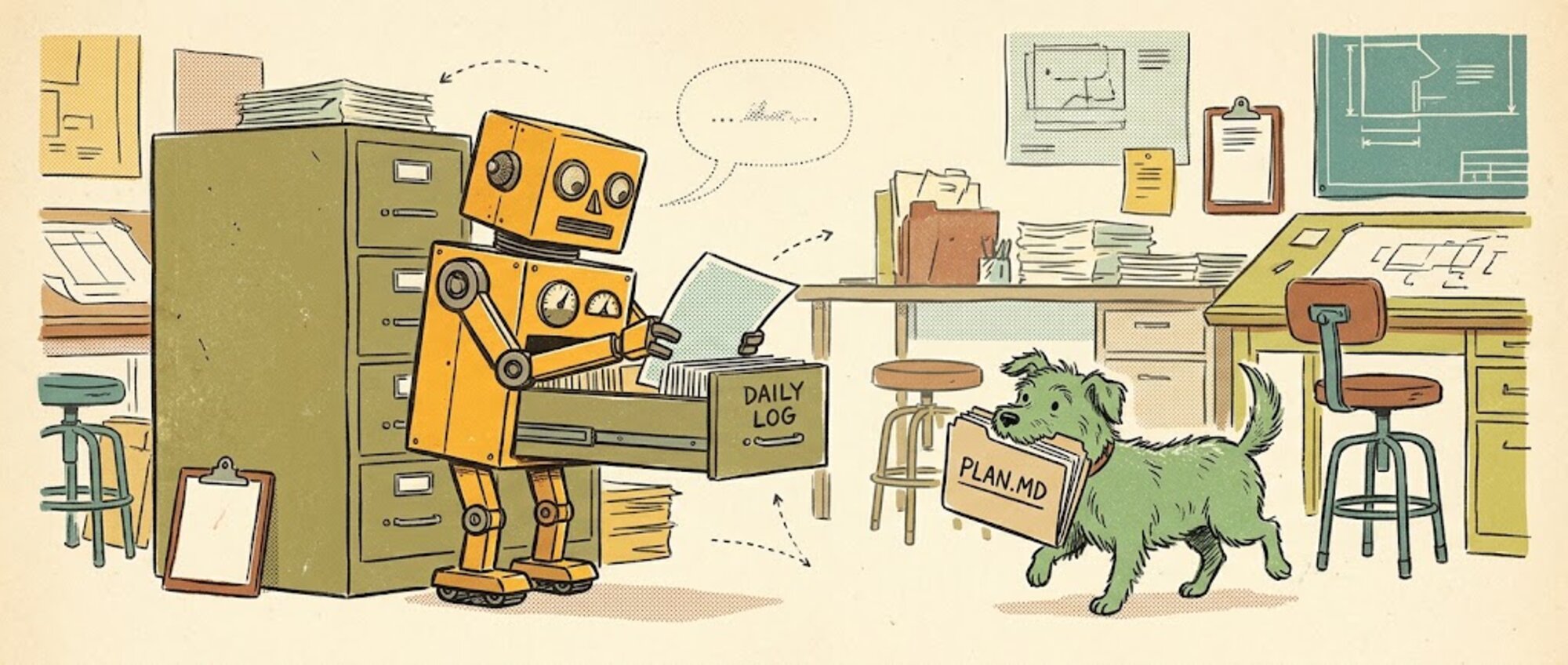
So far I haven't lost any work from an AI chat. From the early days of using models I've kept a daily log in a file, so that if I ran out of usage limits on one model I could switch over to something else, or start a new chat, and pick up where I was.

Continue reading →

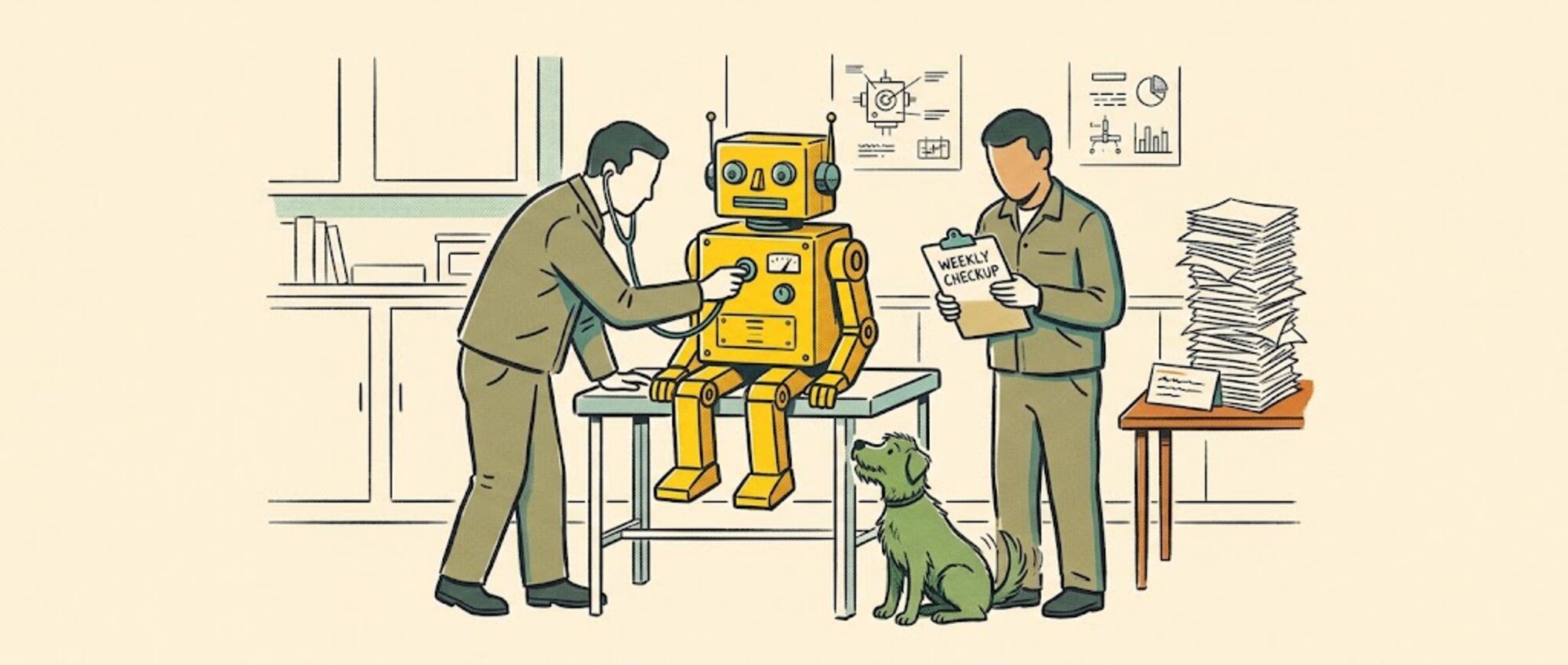
Give a shared AI assistant a weekly checkup, and keep what it adds terse

"Maybe once a week you just go through and do a bit of a bot checkup." That's what I told a team I'm training this week, about the assistant they all share. Ask it: were the instructions I gave you okay?

Continue reading →

That's it for this week, and thanks for reading. If you try the guide, or plan big, do small, on your own work, hit reply and tell me how it went.

Jim

Jim Christian - Signal Over Noise

What I care about is helping people bring technology into their lives well — where it's genuinely needed, and where it can do the most good. Not tech for its own sake, not change to look modern. Sometimes that means AI; just as often it means something far simpler.The tech world is accelerating. This is my attempt to slow things down a little: to pick apart the hype and look for the reality and the truth in the messages — primarily around AI, and how it impacts us all.
Read more from Jim Christian - Signal Over Noise
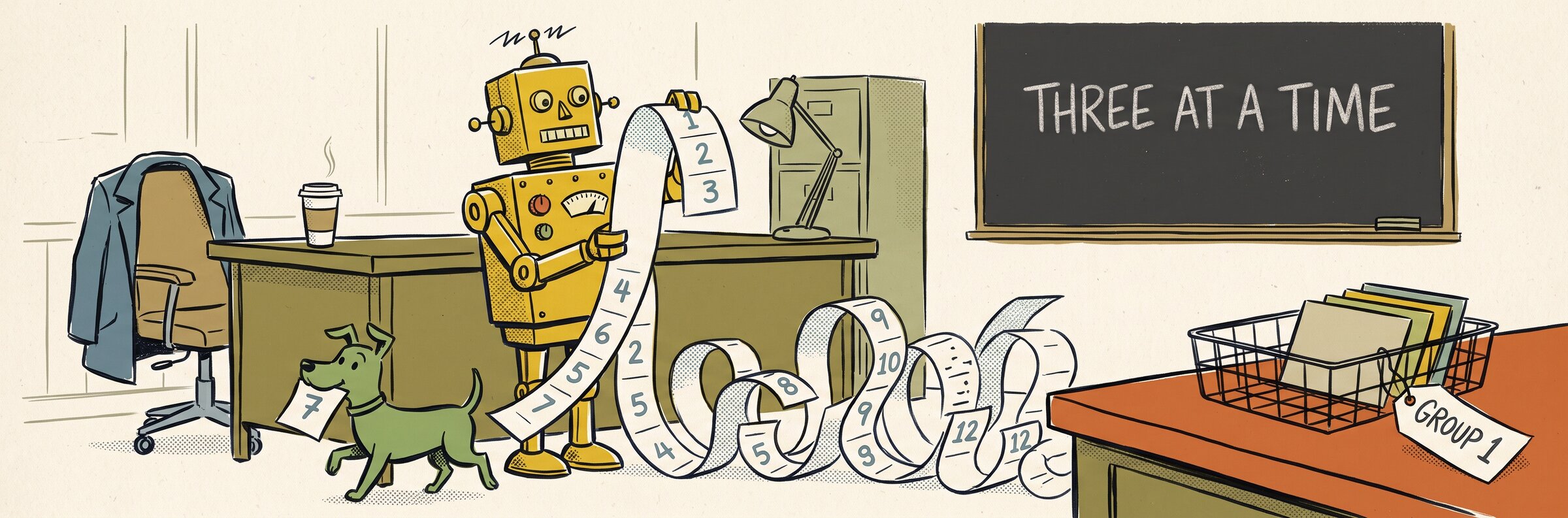
A yellow robot beside an empty desk chair holds up a long paper scroll of numbered question cards looping across the floor, while a green dog trots off with card 7; a tray tagged GROUP 1 sits under a chalkboard that reads THREE AT A TIME.

VOL 2, ISSUE 43 · NOVEMBER 2026 One of my favourite ways of working with AI is to set Claude or ChatGPT a task, or a series of them, before I go and do other jobs around the house. But often when I come back to it, it's waiting on me with a list of questions about details I don't remember discussing. I've spent the last hour on something else, and now it wants answers. I've often typed back something close to this: "These are too many questions. I'm a human. I can't deal with this much...
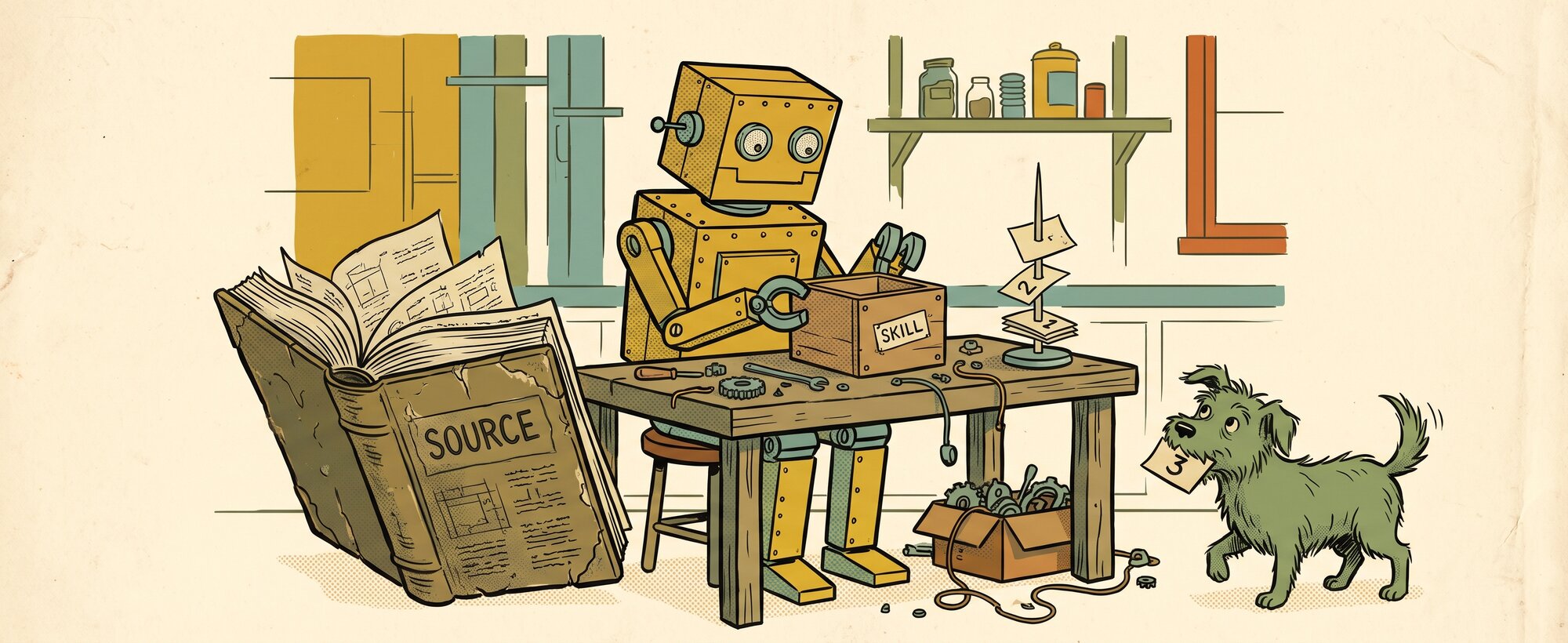
A boxy yellow robot at a wooden workbench assembles a small box labelled SKILL beside a large, worn book labelled SOURCE. Question cards numbered 1 and 2 sit on a spike on the bench, and a scruffy green dog walks up carrying card 3 in its mouth.

VOL 2, ISSUE 42 · NOVEMBER 2026 Frameworks are all around, and they've been in use for ages. Some of my favourites are the five whys, where you ask “why?” until you reach the cause of a problem, and the Eisenhower matrix, which sorts your tasks by how urgent and how important they are. There's no reason why you can't use these in your daily workflows to help you keep organised or to troubleshoot problems. If you don't know one for your job, ask your AI what established methods exist for it,...
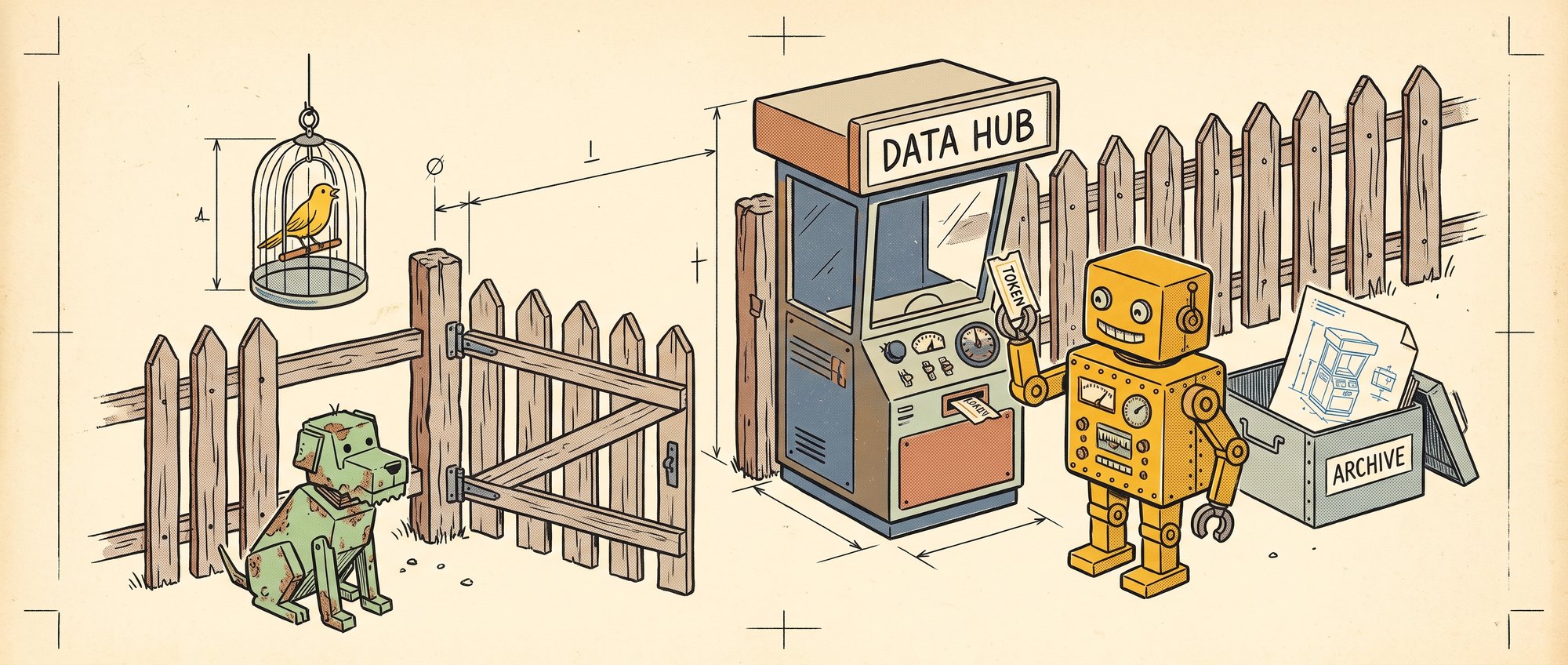
A boxy yellow robot at a ticket kiosk labelled DATA HUB holds up a paper ticket marked TOKEN, with a canary in a cage and a scruffy green dog by the gate.

VOL 2, ISSUE 41 · NOVEMBER 2026 Part of my daily routine has changed in the last week, in that I'm talking more with Claude in voice mode on my school runs in the mornings. It beats the repetition of listening to the radio station, and it gives me more space to ramble and go down the odd rabbit hole as I question the morning headlines and look for topics of interest. When I get on to something I like and want to follow up on, I ask Claude to make sure that it's saved as a Google Doc that I...