SoN 2.35: Why I left the Mac for Omarchy after 25 years


VOL 2, ISSUE 35 · 11 SEPTEMBER 2026

Why I left the Mac for Omarchy after 25 years

Last weekend I installed Omarchy alongside macOS on my M2 MacBook Air. Support was hit or miss on the Mac, but I was hooked. I realised this was an operating system I wanted to live with.

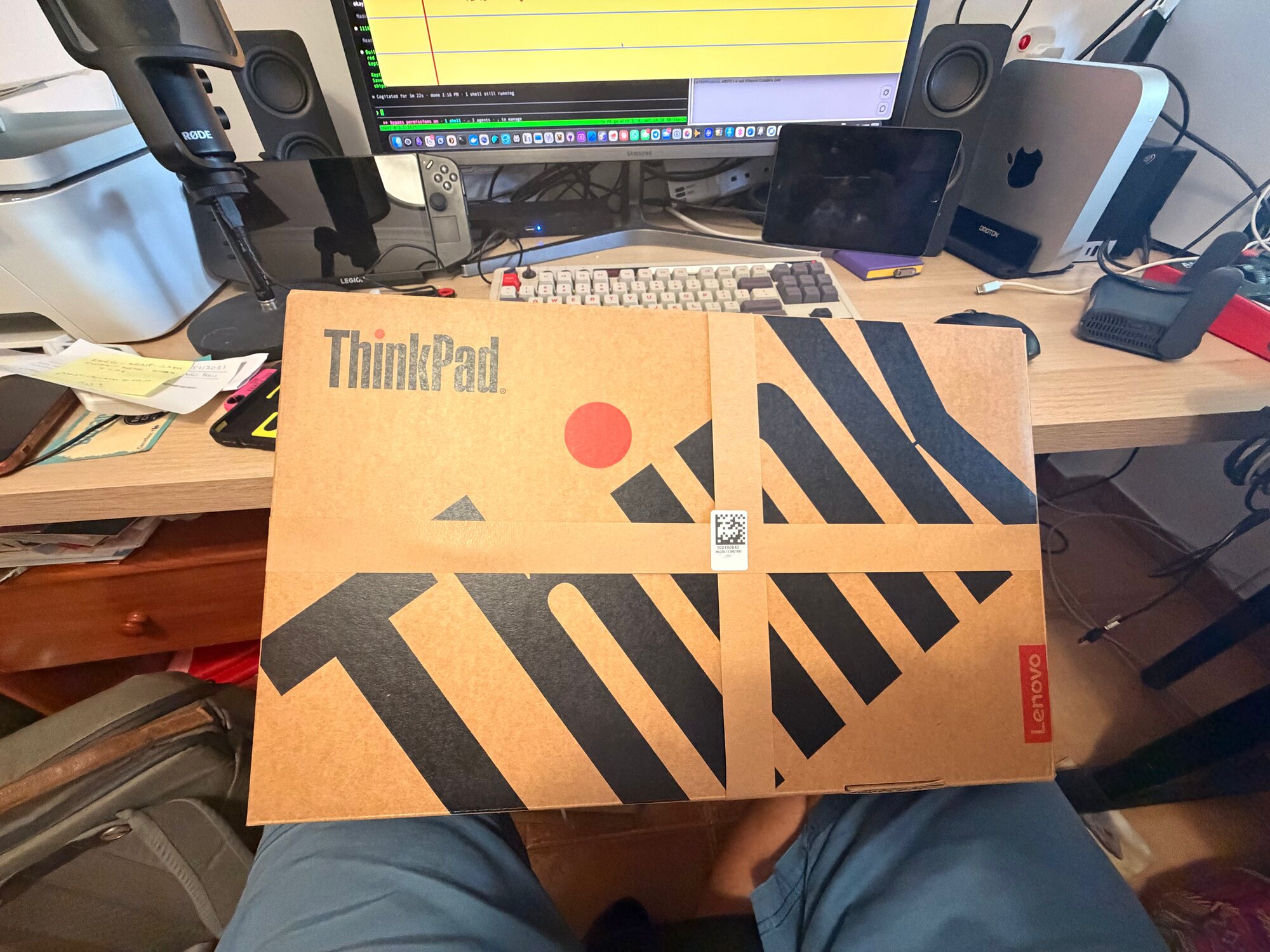
After more than 25 years primarily using Macs, I bought a Lenovo ThinkPad and made it my daily machine. I did not expect to be buying a computer last week, let alone a PC.

The switch happened during a revealing week for Apple. I am giving up some native convenience and years of accumulated automation for a system I can inspect, change and connect more freely. The move is not complete, but openness and local control matter more to me now.

Read the full piece...

Also on the site this week

Security & Risk

Why OpenAI's chief scientist wants shared limits on AI development

Jakub Pachocki argues that alignment, monitoring and coordinated slowdowns must accompany AI-driven research.

Gemini's saved instructions now carry across more Workspace apps

Shared preferences travel further across Workspace, while organisational controls remain a separate question.

ChatGPT for Healthcare brings patient records and public medical data into the workspace

OpenAI's Epic integration connects clinical work to source information and organisational access controls.

Agents & Tooling

Trail of Bits' coop gives coding agents their own working environment

Disposable VMs give Claude Code and Codex somewhere separate to install, build and work.

How developers organise and maintain agent skills

Shared repositories, human review and behavioural tests are becoming the maintenance layer for reusable agent workflows.

The Industry

What OpenAI says its 10,000-agent maths run proved

The proof is public; mathematical acceptance, reproducibility and the credit dispute remain open.

What expert AI-training work asks a professional to pass on

The valuable training material is often the professional judgement behind an answer, not the answer alone.

Latest from Second Brain Chronicles

How I rebuilt my AI system

How to preserve your files and useful machines while rebuilding the way your agents divide the work.

Upgrades

What actually shipped between 4 September and 10 September, and whether you can use it. Compiled from each vendor's own changelog and release notes.

GitHub

Cloudflare

Vercel

OpenAI

  • GPT-6 Astra rollout — A limited set of organisations now; Plus, Pro, Business, Enterprise, API, Azure and AWS Bedrock over the coming days. Free is not named.

See the complete Upgrades archive.

Jim

Jim Christian - Signal Over Noise

What I care about is helping people bring technology into their lives well — where it's genuinely needed, and where it can do the most good. Not tech for its own sake, not change to look modern. Sometimes that means AI; just as often it means something far simpler.The tech world is accelerating. This is my attempt to slow things down a little: to pick apart the hype and look for the reality and the truth in the messages — primarily around AI, and how it impacts us all.
Read more from Jim Christian - Signal Over Noise
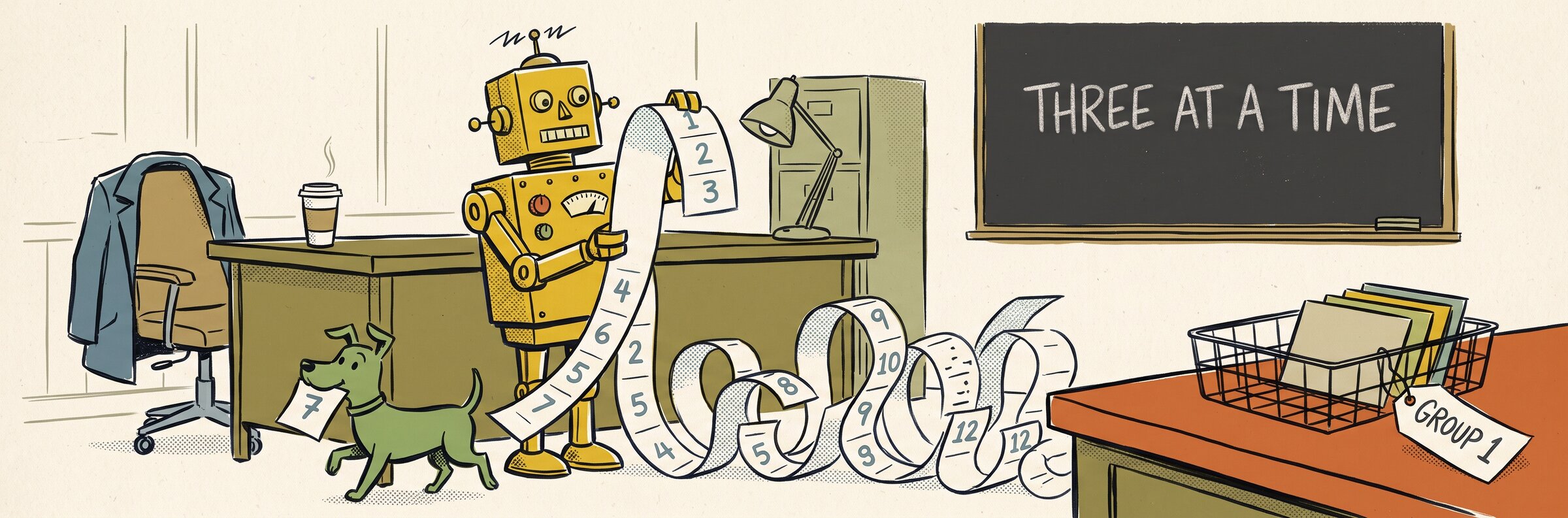
A yellow robot beside an empty desk chair holds up a long paper scroll of numbered question cards looping across the floor, while a green dog trots off with card 7; a tray tagged GROUP 1 sits under a chalkboard that reads THREE AT A TIME.

VOL 2, ISSUE 43 · NOVEMBER 2026 One of my favourite ways of working with AI is to set Claude or ChatGPT a task, or a series of them, before I go and do other jobs around the house. But often when I come back to it, it's waiting on me with a list of questions about details I don't remember discussing. I've spent the last hour on something else, and now it wants answers. I've often typed back something close to this: "These are too many questions. I'm a human. I can't deal with this much...
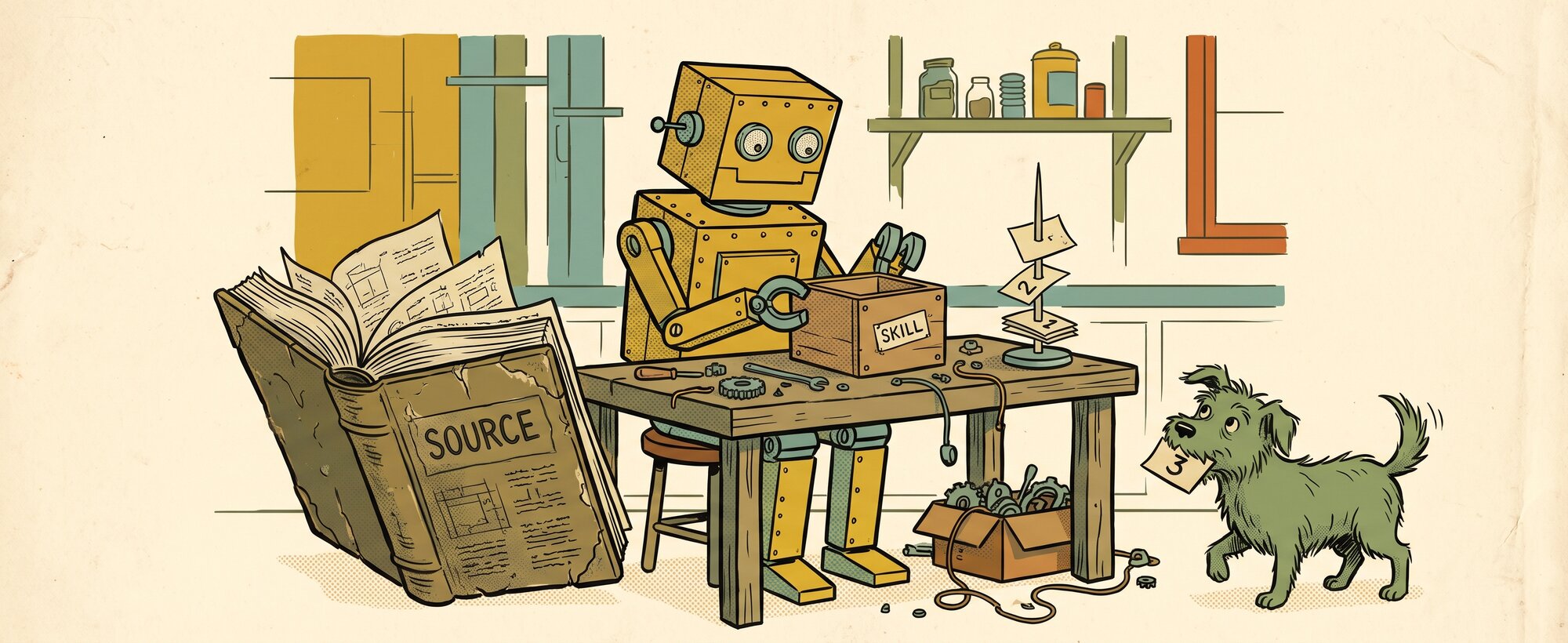
A boxy yellow robot at a wooden workbench assembles a small box labelled SKILL beside a large, worn book labelled SOURCE. Question cards numbered 1 and 2 sit on a spike on the bench, and a scruffy green dog walks up carrying card 3 in its mouth.

VOL 2, ISSUE 42 · NOVEMBER 2026 Frameworks are all around, and they've been in use for ages. Some of my favourites are the five whys, where you ask “why?” until you reach the cause of a problem, and the Eisenhower matrix, which sorts your tasks by how urgent and how important they are. There's no reason why you can't use these in your daily workflows to help you keep organised or to troubleshoot problems. If you don't know one for your job, ask your AI what established methods exist for it,...
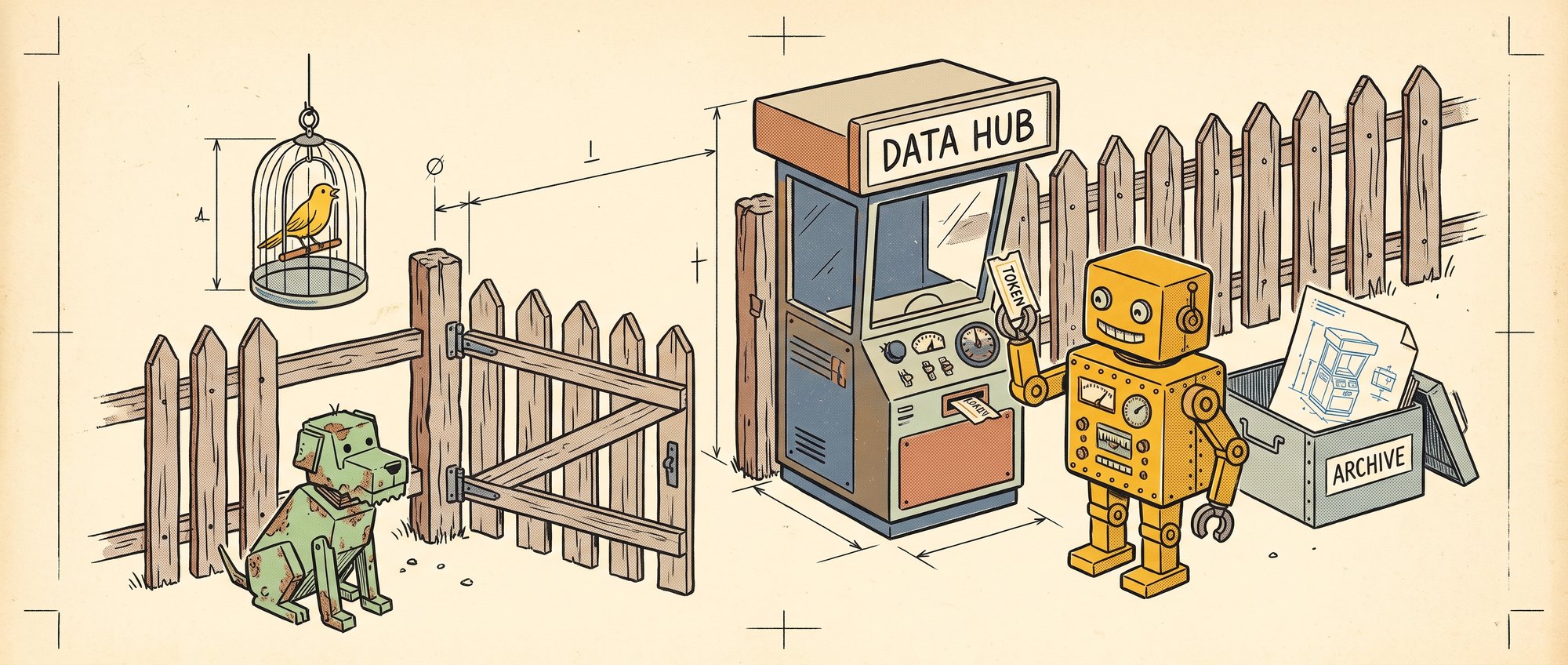
A boxy yellow robot at a ticket kiosk labelled DATA HUB holds up a paper ticket marked TOKEN, with a canary in a cage and a scruffy green dog by the gate.

VOL 2, ISSUE 41 · NOVEMBER 2026 Part of my daily routine has changed in the last week, in that I'm talking more with Claude in voice mode on my school runs in the mornings. It beats the repetition of listening to the radio station, and it gives me more space to ramble and go down the odd rabbit hole as I question the morning headlines and look for topics of interest. When I get on to something I like and want to follow up on, I ask Claude to make sure that it's saved as a Google Doc that I...