What I care about is helping people bring technology into their lives well — where it's genuinely needed, and where it can do the most good. Not tech for its own sake, not change to look modern. Sometimes that means AI; just as often it means something far simpler.The tech world is accelerating. This is my attempt to slow things down a little: to pick apart the hype and look for the reality and the truth in the messages — primarily around AI, and how it impacts us all.
Field Note: Human in the Lead
|

Jim Christian - Signal Over Noise
What I care about is helping people bring technology into their lives well — where it's genuinely needed, and where it can do the most good. Not tech for its own sake, not change to look modern. Sometimes that means AI; just as often it means something far simpler.The tech world is accelerating. This is my attempt to slow things down a little: to pick apart the hype and look for the reality and the truth in the messages — primarily around AI, and how it impacts us all.

VOL 2, ISSUE 44 · NOVEMBER 2026 I think AI should be a common denominator for accessibility. It should be the place where anyone can stop, take a step back and say, right, I don't really get this. Break it down for me, show me something visual, give me an example. Claude, ChatGPT and Gemini will all build that for you, and you only have to ask once. I don't use these enough, but I need to. Save this line in your custom instructions: When I ask you to explain something, make it a step-by-step...
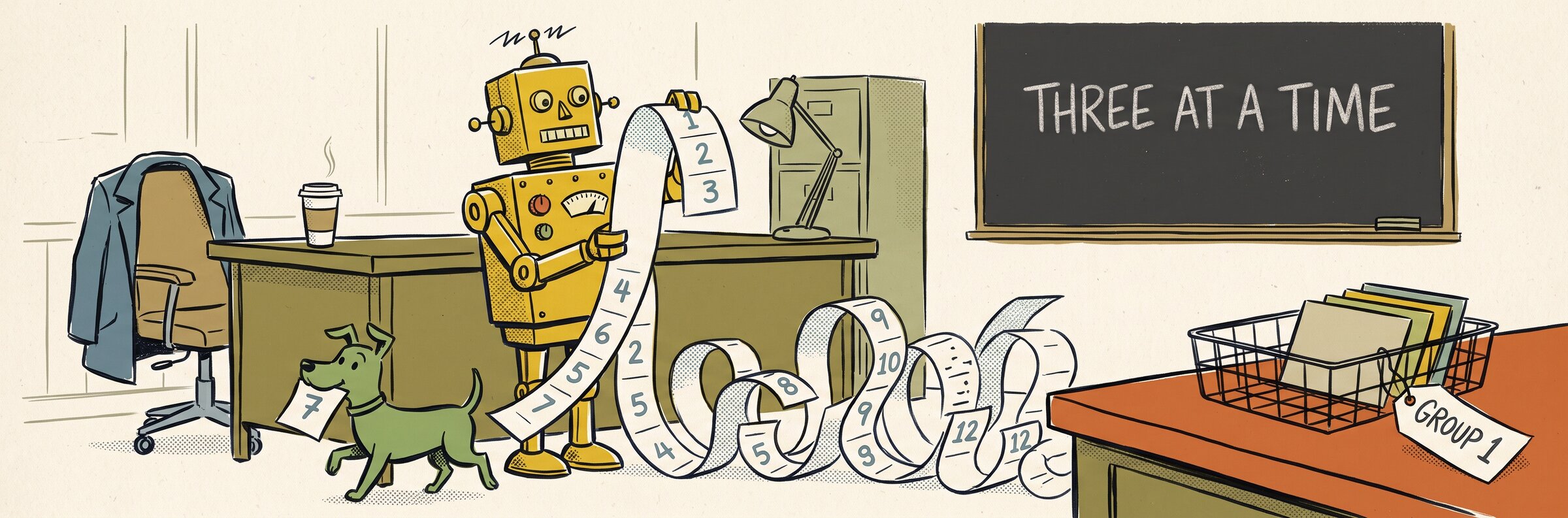
VOL 2, ISSUE 43 · NOVEMBER 2026 One of my favourite ways of working with AI is to set Claude or ChatGPT a task, or a series of them, before I go and do other jobs around the house. But often when I come back to it, it's waiting on me with a list of questions about details I don't remember discussing. I've spent the last hour on something else, and now it wants answers. I've often typed back something close to this: "These are too many questions. I'm a human. I can't deal with this much...
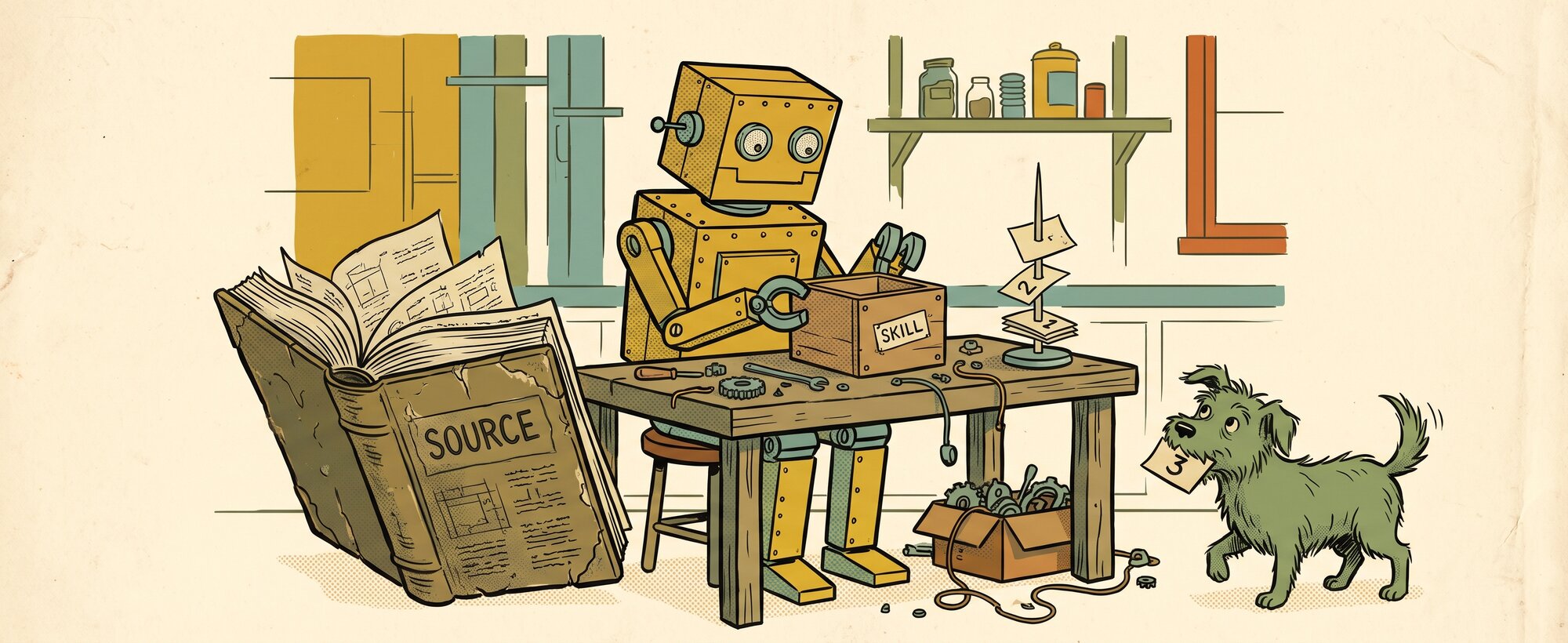
VOL 2, ISSUE 42 · NOVEMBER 2026 Frameworks are all around, and they've been in use for ages. Some of my favourites are the five whys, where you ask “why?” until you reach the cause of a problem, and the Eisenhower matrix, which sorts your tasks by how urgent and how important they are. There's no reason why you can't use these in your daily workflows to help you keep organised or to troubleshoot problems. If you don't know one for your job, ask your AI what established methods exist for it,...