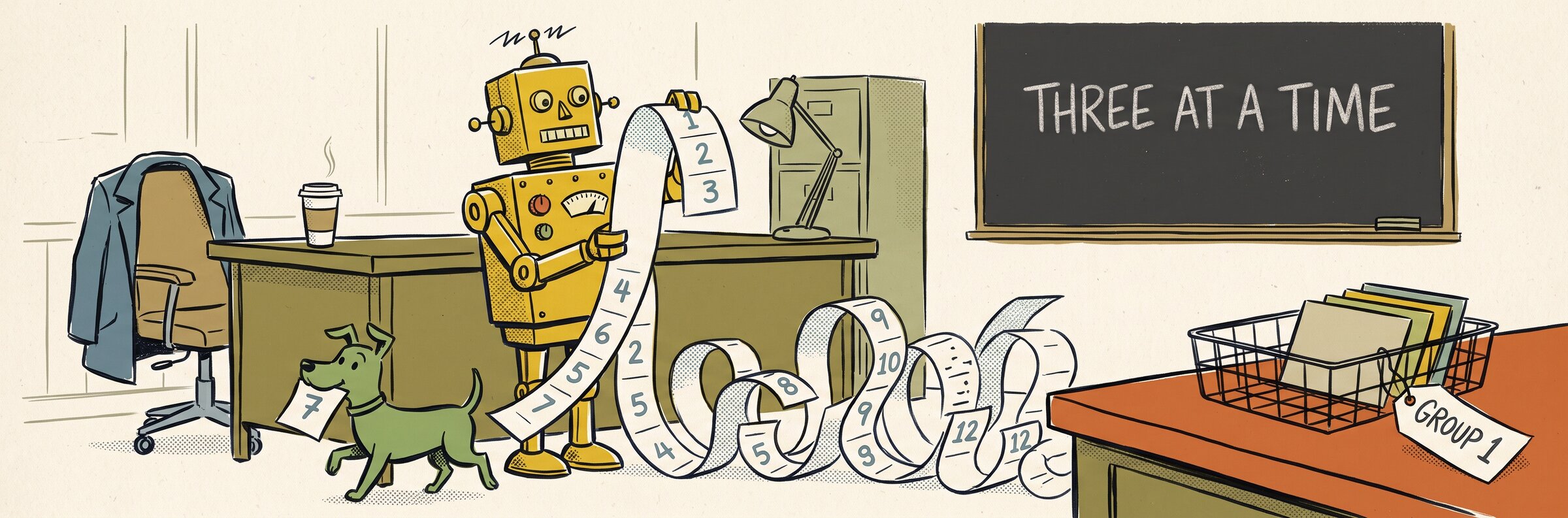
VOL 2, ISSUE 43 · NOVEMBER 2026 One of my favourite ways of working with AI is to set Claude or ChatGPT a task, or a series of them, before I go and do other jobs around the house. But often when I come back to it, it's waiting on me with a list of questions about details I don't remember discussing. I've spent the last hour on something else, and now it wants answers. I've often typed back something close to this: "These are too many questions. I'm a human. I can't deal with this much...
11 days ago • 3 min read
VOL 2, ISSUE 42 · NOVEMBER 2026 Frameworks are all around, and they've been in use for ages. Some of my favourites are the five whys, where you ask “why?” until you reach the cause of a problem, and the Eisenhower matrix, which sorts your tasks by how urgent and how important they are. There's no reason why you can't use these in your daily workflows to help you keep organised or to troubleshoot problems. If you don't know one for your job, ask your AI what established methods exist for it,...
18 days ago • 4 min read
VOL 2, ISSUE 41 · NOVEMBER 2026 Part of my daily routine has changed in the last week, in that I'm talking more with Claude in voice mode on my school runs in the mornings. It beats the repetition of listening to the radio station, and it gives me more space to ramble and go down the odd rabbit hole as I question the morning headlines and look for topics of interest. When I get on to something I like and want to follow up on, I ask Claude to make sure that it's saved as a Google Doc that I...
25 days ago • 3 min read
VOL 2, ISSUE 40 · OCTOBER 2026 In the last week I've been doing more hands-on training with teams of software engineers and marketers alike. No matter what your career or your skill level with AI, a lot of the core principles are the same, and many of them come back to breaking a job down before you hand it to AI. In this week's issue: use the biggest model to plan the job and smaller ones to do the work; a guide to how language models predict the next word, using a birthday song and a...
about 1 month ago • 2 min read
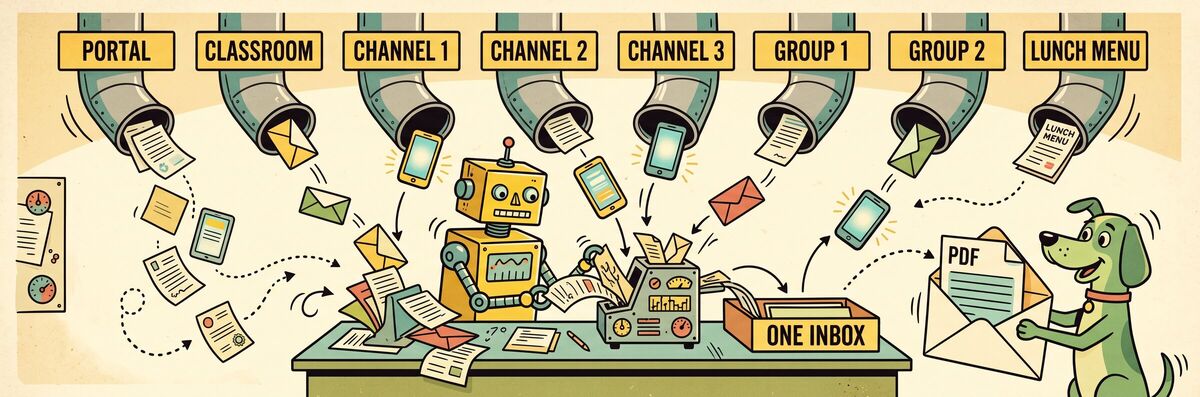
VOL 2, ISSUE 39 · OCTOBER 2026 Last week I started using Cloudflare OS to build a family knowledge base: a one-stop shop for everything about our kids’ timetables, homework, extracurricular activities, lunch menus and more. This information comes through two or three dedicated apps (one with broken notifications, another that nobody seems to use consistently), plus WhatsApp, Telegram and probably three or four apps that haven’t been invented yet. So it’s a no-brainer for me to turn to...
about 1 month ago • 1 min read
VOL 2, ISSUE 36 · 19 SEPTEMBER 2026 Space to be human Last week I wrote about leaving the Mac for Omarchy after 25 years, and ended on being one step closer to a co-operating system that works with me instead of one I have to work around. A lot of this week comes back to that: creating my own co-operating system from the tools available. This past week has been a major 'back to school' week for the family, including new travelling times, and a massive storm that came through the area mid-week...
2 months ago • 6 min read
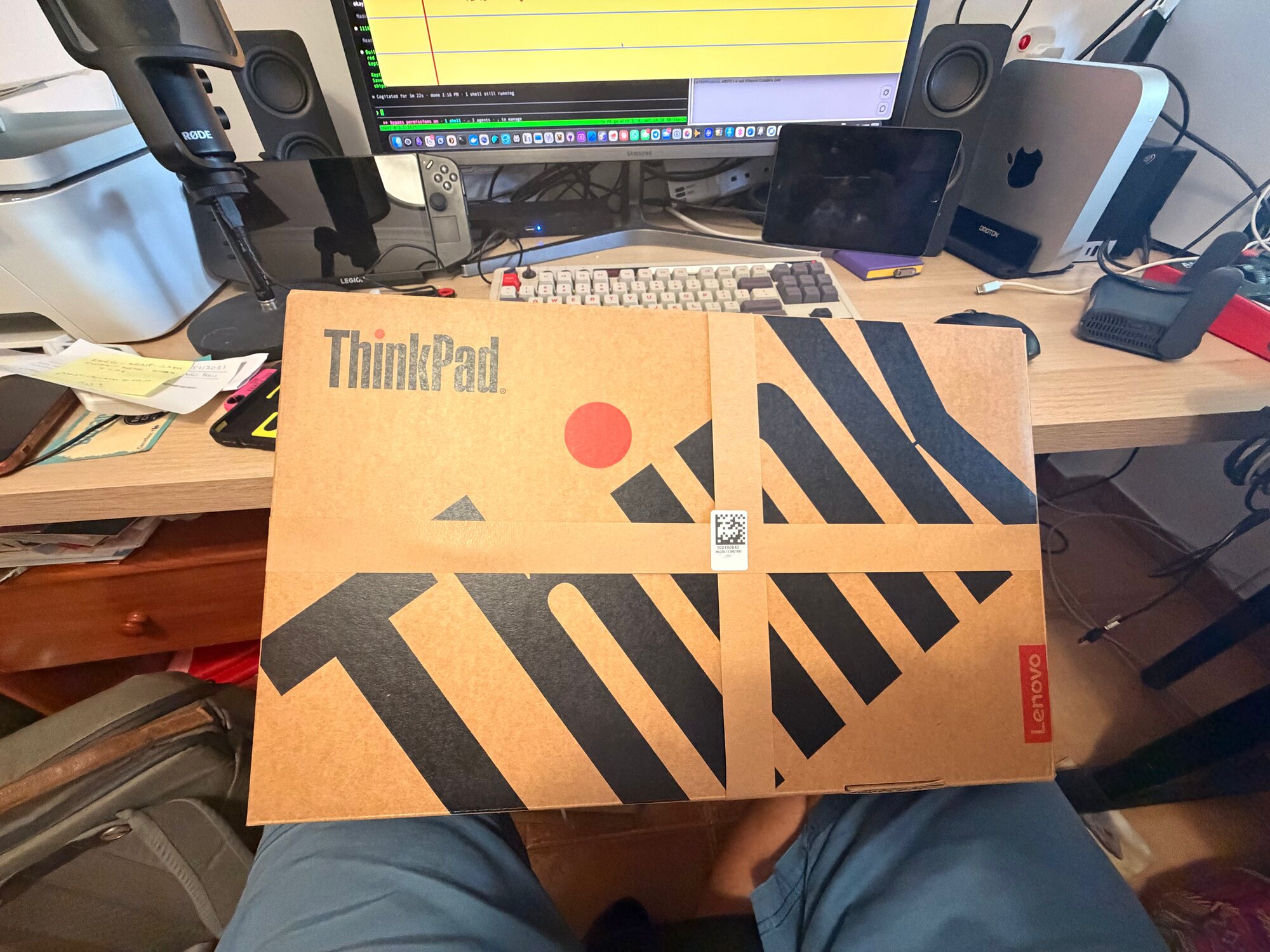
VOL 2, ISSUE 35 · 11 SEPTEMBER 2026 Why I left the Mac for Omarchy after 25 years Last weekend I installed Omarchy alongside macOS on my M2 MacBook Air. Support was hit or miss on the Mac, but I was hooked. I realised this was an operating system I wanted to live with. After more than 25 years primarily using Macs, I bought a Lenovo ThinkPad and made it my daily machine. I did not expect to be buying a computer last week, let alone a PC. The switch happened during a revealing week for Apple....
3 months ago • 2 min read
VOL 2, ISSUE 34 · 4 SEPTEMBER 2026 Handing off the 60% If planning, researching and strategising take up, say, 40% of a task, then 60% is left to execute and iterate. That 60% can take up 100% of your available time if you're doing it manually. This is the week that argument stopped being theoretical for me. The kids are home, my partner is at work, and the writing happens in the gaps — text the agent, deal a new hand of Go Fish, check what came back. It's also the week I started calling...
3 months ago • 7 min read
VOL 2, ISSUE 33 · 28 AUGUST 2026 Dear Reader, If this issue looks different from the ones you are used to, that is because it is. Signal Over Noise has moved to a site-first setup, and the newsletter now follows the site rather than the other way round. If you missed it, here is what changed and why. The magic in agent interfaces still needs an off switch "Ship it" is an attractive interface for a workflow that pushes code, prepares publication processes and starts a series of reviews. It is...
3 months ago • 1 min read